Harnessing Micro-Habits: Build 3 New Routines in 30 Days

Anúncios
Harnessing micro-habits allows individuals to seamlessly integrate new positive routines into their daily lives, requiring minimal effort and fostering sustainable behavioral change within a 30-day timeframe.
Are you ready to transform your daily life without feeling overwhelmed? The concept of harnessing micro-habits offers a revolutionary approach to personal growth, enabling you to build three new positive routines in just 30 days. Forget drastic changes and embrace the power of small, consistent actions.
Anúncios
Understanding the Power of Micro-Habits
Micro-habits are tiny, almost ridiculously small, versions of the habits you want to build. They are so easy to do that you can’t say no, effectively lowering the barrier to entry for any new routine. This simplicity is their greatest strength, making them far more sustainable than ambitious, large-scale goals.
The core idea behind micro-habits, popularized by Dr. B.J. Fogg’s Tiny Habits method, is to make the desired behavior so small that it’s impossible to fail. Instead of aiming for a 30-minute workout daily, you might start with one push-up. This minimal effort bypasses internal resistance and builds momentum, leading to more significant changes over time. It’s about consistency, not intensity, especially in the initial stages of habit formation.
Why Small Steps Lead to Big Changes
The human brain is wired for efficiency and resists significant changes that require a lot of willpower. Micro-habits trick your brain into accepting new behaviors by making them seem insignificant. This reduces the mental friction associated with starting something new, allowing the habit to take root without exhausting your limited supply of self-control.
- Reduced Resistance: Tiny actions face less internal opposition.
- Increased Consistency: Easy tasks are performed more regularly.
- Momentum Building: Small wins create a positive feedback loop.
- Neural Pathway Formation: Repetition, even of small actions, strengthens brain connections.
By focusing on micro-habits, you’re not just performing an action; you’re actively rewiring your brain to make that action a natural part of your routine. This foundational shift is crucial for long-term success and is far more effective than relying on bursts of motivation that inevitably fade.
The 30-Day Blueprint for Habit Integration
Embarking on a 30-day journey to build three new positive routines using micro-habits requires a structured yet flexible approach. This blueprint is designed to guide you through the process, ensuring each micro-habit sticks and evolves into a beneficial part of your daily life. The key is to start small, build consistency, and gradually increase the intensity as each habit becomes second nature.
The first step is identifying the three routines you want to cultivate. Think about areas of your life where you desire improvement: health, personal development, mindfulness, or productivity. Once you have your target routines, break them down into their absolute smallest, most manageable components. Remember, the goal is to make them so tiny that skipping them feels more difficult than doing them.
Selecting Your Three Micro-Habits
Choosing the right micro-habits is critical for success. They should align with your long-term goals but be effortlessly executable in the short term. Consider what small action could serve as a gateway to a larger, desired behavior. For instance, if you want to read more, your micro-habit could be reading just one sentence. If you aim to be more active, it might be doing one squat.
Anúncios
- Identify Core Desires: What larger habits do you wish to cultivate?
- Break Down Big Goals: What is the smallest possible step for each?
- Ensure Effortlessness: Can you do it even on your worst day?
- Choose Diverse Areas: Select habits that contribute to different aspects of your well-being.
Once you’ve selected your three micro-habits, commit to performing them every single day for the next 30 days. Consistency is paramount during this initial phase. Don’t worry about the scale of the action; focus solely on the act of doing it, reinforcing the behavior daily.
Anchoring Micro-Habits to Existing Routines
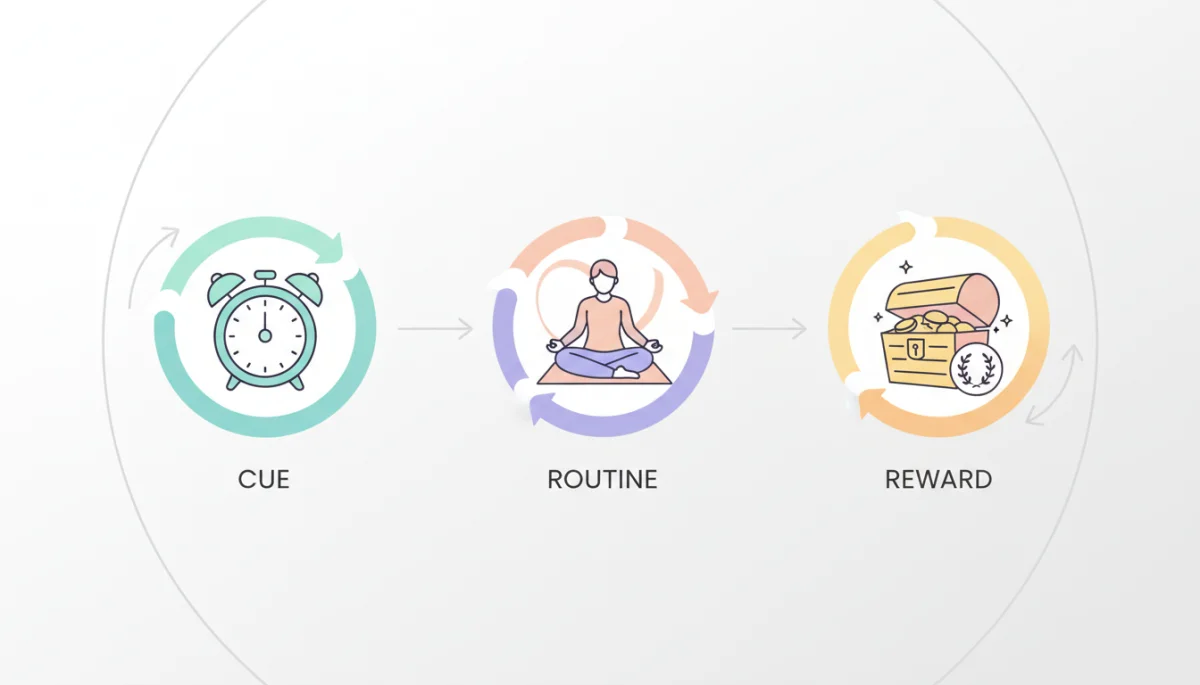
One of the most effective strategies for successfully integrating new micro-habits is to anchor them to existing routines. This technique, also known as habit stacking, leverages the power of established behaviors to trigger new ones. By linking a new micro-habit to something you already do automatically, you create a natural cue, making it easier to remember and perform the new action.
Consider your daily schedule. What are the fixed points in your day? Brushing your teeth, drinking your morning coffee, checking your phone, or sitting down to eat are all excellent anchors. The trick is to identify a reliable existing habit and then immediately follow it with your new micro-habit. This creates a simple formula: “After [current habit], I will [new micro-habit].”
The Habit Stacking Formula
The simplicity of habit stacking is its genius. It removes the need for conscious decision-making, as the cue for your new micro-habit is built directly into your established routine. This reduces mental fatigue and increases the likelihood of adherence. For example, if you want to start meditating, you could anchor it to your morning coffee: “After I pour my coffee, I will take one deep breath.”
- Identify a Consistent Anchor: Choose an existing daily habit you never miss.
- Link Immediately: Perform the micro-habit directly after the anchor.
- Be Specific: Clearly define the anchor and the micro-habit.
- Practice Daily: Repetition solidifies the new connection.
By consistently pairing your micro-habit with an existing routine, you’re essentially creating a chain reaction. The established habit acts as the trigger, seamlessly leading you into the new, desired behavior. This method is incredibly powerful for making new habits feel natural and effortless from day one.
Tracking Progress and Celebrating Small Wins
Monitoring your progress is a crucial, yet often overlooked, component of successful habit formation. Tracking not only provides a visual representation of your consistency but also serves as a powerful motivational tool. Seeing your progress, no matter how small, reinforces the behavior and encourages continued effort. It transforms an abstract goal into a tangible achievement.
There are numerous ways to track your micro-habits. A simple paper calendar with an ‘X’ for each day you complete your habit works wonders. Digital apps are also available that offer reminders and visual progress charts. The method isn’t as important as the act of tracking itself, which keeps your habits top of mind and provides a sense of accomplishment.
The Psychology of Positive Reinforcement
Celebrating small wins is not merely a feel-good exercise; it’s a critical psychological strategy for habit reinforcement. When you acknowledge your efforts, no matter how minor, your brain releases dopamine, a neurotransmitter associated with pleasure and motivation. This positive feedback loop strengthens the neural pathways associated with the new habit, making you more likely to repeat it.
- Visual Tracking: Use calendars or apps to mark daily completion.
- Immediate Rewards: Give yourself a small, healthy reward after completing the micro-habit.
- Verbal Affirmations: Acknowledge your consistency aloud.
- Share Your Progress: Tell a trusted friend about your journey for external validation.
Remember, the celebration doesn’t have to be grand. It could be a mental pat on the back, a brief moment of gratitude, or a small treat. The key is to create an immediate, positive association with the completion of your micro-habit. This consistent positive reinforcement is what transforms a conscious effort into an ingrained, automatic behavior over time.
Overcoming Obstacles and Staying Consistent
Even with the best intentions and the simplest micro-habits, you will inevitably encounter days when motivation wanes or external circumstances disrupt your routine. This is a normal part of the habit-building process, and anticipating these obstacles allows you to develop strategies to overcome them, ensuring long-term consistency.
The most common obstacle is simply forgetting. This is where anchoring and environmental cues become invaluable. If you find yourself consistently missing a micro-habit, re-evaluate its anchor or consider placing a visual reminder in your environment. Another common challenge is a dip in motivation. On these days, remember the “two-minute rule“: if a task takes less than two minutes, do it immediately. Since micro-habits are designed to be tiny, they almost always fall into this category.
Strategies for Bouncing Back
Don’t let a missed day derail your entire progress. One missed day does not mean failure; it’s an opportunity to recommit. The “never miss twice” rule is a powerful mantra: if you miss one day, make sure you don’t miss the next. This prevents a single slip-up from turning into a complete abandonment of your new routine.
- Anticipate Disruptions: Plan for busy days or unexpected events.
- Re-evaluate Anchors: If a habit isn’t sticking, check its trigger.
- Implement the “Never Miss Twice” Rule: Prioritize immediate recommitment.
- Adjust Expectations: It’s okay to scale back further if the micro-habit still feels too large.
Consistency is the ultimate goal when harnessing micro-habits. By proactively addressing potential obstacles and developing resilience in the face of setbacks, you can ensure that your 30-day commitment blossoms into lasting positive change. Remember, progress is rarely linear, and adapting to challenges is a sign of strength.
Evolving Micro-Habits into Lasting Routines
After 30 days of consistent effort, your micro-habits will likely feel more natural, almost automatic. This is the stage where you can begin to gradually increase the intensity or duration of your actions, allowing your micro-habits to evolve into the full-fledged routines you initially envisioned. The transition should be gentle, ensuring that you don’t overwhelm yourself and risk breaking the established consistency.
The key is to listen to your internal resistance. If increasing the habit feels like a chore, you’ve likely increased it too much, too soon. The goal is to find the sweet spot where the habit still feels manageable but offers a slightly greater benefit. For example, if your micro-habit was one push-up, you might increase it to two, then three, gradually building up your strength and endurance.
Gradual Scaling and Continuous Improvement
The evolution of a micro-habit is a process of continuous, incremental improvement. It’s not about jumping from one push-up to fifty overnight, but rather adding a small, sustainable increment once the current level feels effortless. This principle applies to any habit, whether it’s reading, meditating, or learning a new skill.
- Assess Comfort Level: Only increase when the current micro-habit feels easy.
- Small Increments: Add a minimal amount to the habit’s duration or intensity.
- Maintain Consistency: Ensure the increased habit remains daily.
- Reflect and Adjust: Regularly review if the new level is sustainable.
By gradually scaling your micro-habits, you empower yourself to build robust, lasting routines without ever feeling overwhelmed. This approach respects your natural capacity for change and fosters a sense of continuous growth. Remember, the journey of a thousand miles begins with a single step, and with micro-habits, those steps are consistently small, yet incredibly powerful.
| Key Aspect | Brief Description |
|---|---|
| Micro-Habit Definition | Tiny, easy-to-perform actions that lead to larger desired behaviors. |
| 30-Day Goal | Establish 3 new positive routines through consistent, daily micro-actions. |
| Habit Anchoring | Linking new micro-habits to existing, established daily routines. |
| Progress Tracking | Monitoring and celebrating small wins to reinforce new behaviors. |
Frequently Asked Questions About Micro-Habits
The primary benefit of micro-habits is their ease of implementation, which significantly reduces resistance and increases consistency. By starting with incredibly small actions, individuals are more likely to stick with a new behavior long enough for it to become automatic, fostering sustainable change without relying on willpower.
Select micro-habits that align with larger goals you want to achieve. Break these goals into the absolute smallest possible actions. For instance, if you want to write a book, your micro-habit could be writing one sentence. Choose actions that feel almost too easy to skip.
Missing a day is normal and not a failure. The key is to apply the “never miss twice” rule. If you miss one day, ensure you perform your micro-habit the very next day. This prevents a single slip from derailing your entire progress and helps maintain momentum.
While the 30-day challenge focuses on initial establishment, the time it takes for a habit to become fully automatic varies per person and habit, typically ranging from 18 to 254 days. Consistency during the first 30 days is crucial for building the foundational neural pathways.
Absolutely. Micro-habits are the building blocks of significant life changes. By consistently performing small, positive actions, you create a compounding effect. Each tiny success builds confidence and momentum, making it easier to gradually scale up your habits and achieve larger, transformative goals over time.
Conclusion
The journey of harnessing micro-habits offers a refreshing and highly effective pathway to personal transformation. By committing to building three new positive routines in just 30 days, you’re not just adopting new behaviors; you’re cultivating a mindset of continuous, manageable growth. This strategy bypasses the common pitfalls of overwhelming goals and reliance on fleeting motivation, instead focusing on the undeniable power of consistency and small, deliberate actions. Embrace the simplicity, celebrate every tiny win, and watch as these seemingly insignificant shifts compound into profound, lasting improvements in your daily life and overall well-being. The path to a better you begins with a single, small step, repeated daily.
