2026 Guide to Digital Minimalism: Less Tech, More Life

Anúncios
The 2026 Guide to Digital Minimalism: Less Tech, More Life provides a comprehensive framework for individuals seeking to intentionally reduce their reliance on technology to cultivate a more fulfilling and present existence amidst an increasingly connected world.
In an era where technology relentlessly vies for our attention, the concept of digital minimalism 2026 has emerged not merely as a trend, but as a critical philosophy for reclaiming our lives. This guide delves into practical strategies to foster a healthier relationship with our devices, promising a future where technology serves us, rather than controls us.
Anúncios
Understanding Digital Minimalism in 2026
Digital minimalism, at its core, is a philosophy that helps you question your relationship with digital tools. It’s about consciously deciding which technologies add significant value to your life and then courageously eliminating the rest. In 2026, this concept is more relevant than ever, as digital advancements continue to accelerate, offering both unprecedented convenience and overwhelming distractions.
The landscape of digital interaction has evolved dramatically. What started as simple communication tools has morphed into complex ecosystems demanding constant engagement. Understanding digital minimalism now means not just reducing screen time, but deeply evaluating the purpose behind every digital interaction and fostering intentionality in a hyper-connected world.
The Evolution of Digital Overload
- Ubiquitous Connectivity: With 5G and nascent 6G technologies, being offline is increasingly rare, making conscious disconnection vital.
- Algorithmic Traps: Social media and content platforms are expertly designed to maximize engagement, often at the expense of user well-being.
- Work-Life Blurring: Remote work and instant communication tools have dissolved traditional boundaries, extending professional demands into personal time.
Why Digital Minimalism Matters Now
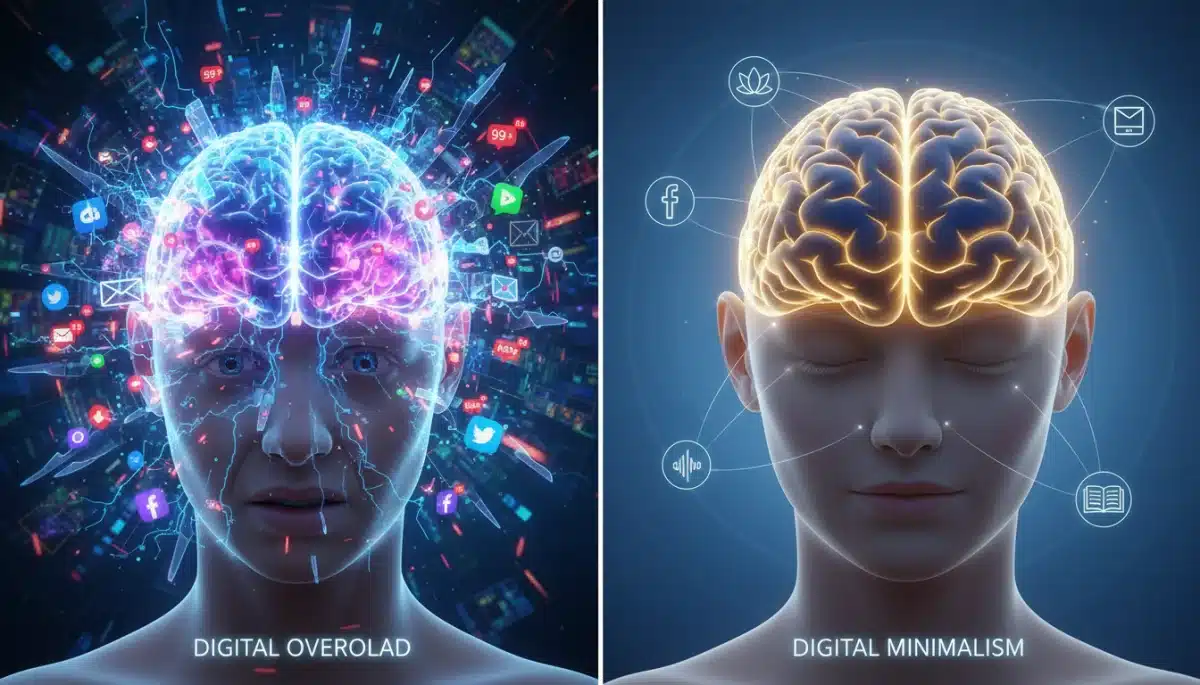
The constant influx of notifications, endless feeds, and the pressure to be always-on can lead to mental fatigue, decreased productivity, and a diminished sense of presence. Digital minimalism offers a counter-narrative, empowering individuals to take back control. It’s about valuing deep work, meaningful relationships, and genuine experiences over superficial digital interactions.
Ultimately, understanding digital minimalism in 2026 is about recognizing that true freedom in the digital age comes not from having access to everything, but from having the wisdom to choose what truly serves your values and goals. It’s a proactive stance against the passive consumption of digital content, encouraging a more reflective and purposeful engagement with technology.
Identifying Your Digital Values and Priorities
Before embarking on a journey of digital minimalism, it’s crucial to identify what truly matters to you. What are your core values? What activities bring you genuine joy and fulfillment? This introspection forms the foundation of your minimalist approach, guiding your decisions about which digital tools to keep and which to discard. Without a clear understanding of your values, digital minimalism can feel like deprivation rather than liberation.
Many people find themselves using technology out of habit or social obligation, rather than genuine need or enjoyment. By consciously defining your priorities, you can begin to distinguish between essential digital tools and those that merely consume your time and energy without offering substantial returns. This step is less about technology itself and more about self-awareness.
Defining Your Core Principles
- Purposeful Use: Evaluate if each digital tool serves a clear, beneficial purpose aligned with your goals.
- Time Allocation: Determine how much time you genuinely want to dedicate to digital activities versus real-world pursuits.
- Mental Clarity: Prioritize tools that enhance focus and reduce mental clutter, rather than contributing to it.
The Audit Process: What Stays, What Goes?
Begin by auditing all your digital tools and habits. This includes apps on your phone, social media accounts, streaming services, and even email subscriptions. For each item, ask yourself: ‘Does this tool consistently and significantly contribute to my core values and priorities, or is it merely a distraction?’ Be honest with your answers; the goal is not to eliminate all technology, but to curate it thoughtfully.
Anúncios
Once you’ve identified the tools that don’t align with your values, consider removing them. This might mean deleting apps, unfollowing accounts, or unsubscribing from newsletters. The process can be challenging, as many digital platforms are designed to create a sense of dependency. However, each removal is a step towards greater clarity and control over your digital life. This intentional curation is a cornerstone of effective digital minimalism 2026.
Practical Strategies for a Digital Declutter
Once you’ve identified your digital values, it’s time to implement practical strategies for decluttering your digital life. This involves a series of actionable steps designed to reduce your reliance on non-essential technology and create more space for meaningful activities. These strategies are not about abstinence, but about thoughtful, deliberate engagement.
The aim is to build new habits and routines that support your minimalist goals. It requires consistency and a willingness to experiment with what works best for your individual lifestyle. Remember, digital decluttering is an ongoing process, not a one-time event.
Implementing a Digital Detox Period
A digital detox involves taking a break from specific technologies or all digital devices for a set period. This could be a weekend, a week, or even just a few hours each day. The purpose is to reset your relationship with technology, observe your cravings, and rediscover activities that don’t involve screens. Use this time to engage in hobbies, spend time with loved ones, or simply enjoy quiet reflection.
During a detox, you might feel initial discomfort or a sense of missing out. This is normal and often indicative of the extent of your digital dependency. By pushing through this, you gain valuable insights into your habits and the true value (or lack thereof) that certain technologies bring to your life. This experience can be a powerful motivator for long-term change.
Curating Your Digital Environment
- Notification Management: Turn off all non-essential notifications. Only allow alerts for critical communications.
- App Consolidation: Delete unused apps. Organize essential apps into folders to reduce visual clutter on your home screen.
- Social Media Pruning: Unfollow accounts that don’t inspire or inform you positively. Consider setting strict time limits for social media use.
- Email Triage: Unsubscribe from marketing emails and newsletters you don’t read. Schedule specific times to check email rather than constant monitoring.
These actions, though seemingly small, contribute significantly to reducing mental friction and allowing for greater focus. By creating a leaner, more intentional digital environment, you reduce the opportunities for distraction and create a space that truly supports your well-being. This proactive approach is key to sustained digital minimalism 2026.
Cultivating Intentional Digital Habits
Beyond decluttering, the next step in digital minimalism is cultivating intentional habits that support your newfound digital freedom. This involves consciously choosing how and when you engage with technology, rather than passively reacting to its demands. It’s about building a routine that prioritizes your real-world life over your digital one.
Intentional habits ensure that technology remains a tool you control, rather than a master dictating your attention. This requires ongoing vigilance and a commitment to regularly reassessing your digital practices as new technologies emerge and your own needs evolve.
Establishing Tech-Free Zones and Times
Designate specific areas in your home or specific times of day as tech-free. This could mean no phones at the dinner table, no screens in the bedroom an hour before sleep, or dedicating certain mornings to offline activities. These boundaries create sacred spaces for connection, rest, and personal reflection, free from digital interruption.
Communicating these boundaries to family and friends is also important. Explain your reasons for adopting these practices, encouraging understanding and support. Initially, it might feel awkward, but over time, these tech-free zones become cherished aspects of your daily life, improving relationships and fostering a sense of peace.
Mindful Consumption of Digital Content
Instead of aimlessly scrolling, practice mindful consumption. Before opening an app or clicking a link, ask yourself: ‘What is my purpose here? What value will this bring?’ If the answer isn’t clear, reconsider your engagement. This conscious pause can prevent hours of unproductive screen time.
- Schedule Digital Engagement: Set specific times for checking emails, social media, or news, rather than letting it interrupt your day.
- Batch Processing: Group similar digital tasks together to minimize context switching and improve efficiency.
- Quality Over Quantity: Prioritize high-quality, informative, or inspiring content over endless, shallow feeds.
By adopting these intentional habits, you transform your digital interactions from reactive to proactive. You become the curator of your digital experience, ensuring that technology serves your life’s purpose rather than detracting from it. This is a vital component of successful digital minimalism 2026.
Reclaiming Time and Enhancing Well-being
One of the most profound benefits of embracing digital minimalism is the reclamation of time and a significant enhancement of overall well-being. When you reduce your digital footprint, you inherently create more space in your life for activities that truly nourish your mind, body, and soul. This isn’t just about avoiding screens; it’s about actively pursuing a richer, more present existence.
The time freed up from endless scrolling and notifications can be reinvested into hobbies, learning new skills, spending quality time with loved ones, or simply enjoying moments of quiet contemplation. This shift in focus leads to a profound sense of fulfillment and reduces the stress often associated with digital overload.
The Link Between Digital Minimalism and Mental Health
Excessive digital consumption has been linked to increased anxiety, depression, and feelings of inadequacy, particularly due to social media’s curated realities. Digital minimalism directly counters these negative effects by promoting a focus on real-world achievements and connections. Reducing exposure to comparison culture and constant stimulation allows the mind to decompress and find a greater sense of calm.
Studies in 2026 continue to highlight the importance of disconnection for cognitive function and emotional regulation. By intentionally stepping back from the digital sphere, individuals report improved sleep patterns, enhanced concentration, and a more positive outlook on life. This deliberate choice to engage less with the digital world often results in a significant boost to mental resilience.
Physical and Social Benefits
- Improved Sleep: Avoiding screens before bed can significantly improve sleep quality by reducing blue light exposure.
- Increased Physical Activity: Less screen time often translates to more time for exercise, outdoor activities, or simply moving more throughout the day.
- Deeper Relationships: Being fully present during face-to-face interactions strengthens bonds and fosters more meaningful connections.
- Enhanced Focus: Reduced digital distractions lead to better concentration on tasks, hobbies, and conversations.
The cumulative effect of these benefits is a life that feels more balanced, purposeful, and genuinely enjoyable. Reclaiming your time through digital minimalism is not just about what you stop doing, but about what you start doing – embracing life beyond the screen and fostering a deeper connection with yourself and the world around you. This holistic approach is the ultimate goal of digital minimalism 2026.
The Future of Digital Minimalism and Technology
As we look towards the future, digital minimalism is not about rejecting technology entirely, but about forging a more conscious and sustainable relationship with it. In 2026 and beyond, technology will continue to advance, integrating even more deeply into our lives. The challenge, and the opportunity, lies in using these advancements wisely, ensuring they enhance human experience rather than detract from it.
The future of digital minimalism involves smart integration, where technology is designed to be less intrusive and more aligned with human well-being. It’s about demanding better from our devices and platforms, and making informed choices about what we allow into our personal space. This evolving philosophy will be crucial for maintaining mental clarity in an increasingly automated world.
Ethical Tech and User-Centric Design
There’s a growing movement towards ethical technology design, focusing on user well-being over engagement maximization. This includes features like built-in screen time limits, grayscale modes, and ‘focus’ settings that minimize distractions. As consumers, our demand for such features will drive their adoption and refinement, supporting a more minimalist approach by default.
- Privacy Controls: Future tech will likely offer more robust and intuitive privacy settings, empowering users to control their data and digital footprint.
- Mindful Notifications: AI-powered systems could learn to prioritize truly important notifications, reducing irrelevant alerts.
- Augmented Reality (AR) with Intent: AR applications might be designed to enhance real-world experiences without replacing them, promoting present moment awareness.
Maintaining a Minimalist Mindset Amidst Innovation
Even as technology becomes more sophisticated, the core principles of digital minimalism will remain constant: intentionality, value-driven choices, and prioritizing real-world experiences. The key will be to continually assess new technologies through a minimalist lens, asking whether they genuinely enhance your life or merely add to the noise.
The future of digital minimalism 2026 is about adaptation and conscious choice. It’s about leveraging technology’s benefits while safeguarding our mental space and personal time. It’s a continuous journey of learning, adapting, and refining our relationship with the digital world to live more fully in the analog one.
Building a Supportive Digital Community
Embarking on a journey of digital minimalism can feel isolating, but it doesn’t have to be. Building a supportive community of like-minded individuals can provide encouragement, shared strategies, and accountability. Connecting with others who are also striving for a more intentional relationship with technology can be a powerful catalyst for sustained change and mutual growth.
This community can exist both online and offline. While the goal is to reduce digital dependency, strategically using digital platforms to connect with a supportive network can be an effective way to share experiences and learn from others. The key is to engage with purpose and avoid falling back into old habits of aimless consumption.
Finding and Engaging with Fellow Minimalists
Seek out online forums, social media groups (used intentionally), or local meetups dedicated to digital well-being, mindfulness, or minimalism. These platforms can offer a space to discuss challenges, celebrate successes, and exchange practical tips. Remember to approach these interactions with the same intentionality you apply to your overall digital habits.
- Online Forums: Participate in moderated online discussions focused on digital well-being, sharing insights and asking questions.
- Local Groups: Look for community groups or workshops that promote mindfulness, tech-life balance, or intentional living.
- Accountability Partners: Partner with a friend or family member who also wants to reduce digital distractions, providing mutual support.
Sharing Your Journey and Inspiring Others
By openly discussing your experiences with digital minimalism, you not only reinforce your own commitment but also inspire others to consider their relationship with technology. Your journey can serve as a powerful example, demonstrating that a more balanced and fulfilling life is possible amidst the digital age. Share your insights, challenges, and triumphs, fostering a ripple effect of positive change.
Building a supportive digital community is about recognizing that while digital minimalism is a personal journey, it thrives in an environment of shared understanding and collective effort. It transforms what could be a solitary struggle into a collaborative pursuit of a more present and meaningful existence. This communal aspect strengthens the principles of digital minimalism 2026 for everyone involved.
| Key Aspect | Brief Description |
|---|---|
| Intentionality | Consciously choosing which digital tools add value and eliminating the rest. |
| Digital Declutter | Removing non-essential apps, notifications, and subscriptions to reduce distraction. |
| Time Reclaiming | Freeing up time for real-world activities, hobbies, and deeper connections. |
| Well-being Focus | Prioritizing mental and physical health by reducing digital overload and stress. |
Frequently Asked Questions About Digital Minimalism
Digital minimalism in 2026 is a philosophy focusing on intentionally reducing digital consumption to prioritize valuable activities. It involves a conscious evaluation of which technologies truly serve your life goals and eliminating the rest to enhance focus and well-being. It’s about quality over quantity in digital interactions.
No, digital minimalism is not about abandoning technology entirely. Instead, it advocates for a thoughtful and intentional use of digital tools. The goal is to leverage technology’s benefits without letting it dominate your time or attention, fostering a balanced relationship rather than complete abstinence.
Begin by identifying your core values and auditing your current digital habits. Remove non-essential apps and notifications, establish tech-free zones, and practice mindful content consumption. A digital detox can also provide a powerful starting point to reset your relationship with devices.
The primary benefits include reclaiming significant amounts of time, improving mental clarity and focus, reducing stress and anxiety, enhancing sleep quality, and fostering deeper, more meaningful real-world relationships. It leads to a more present and fulfilling life experience.
Digital minimalism in 2026 adapts by continuously re-evaluating new technologies through a lens of intentionality. It encourages users to demand ethical, user-centric design from tech companies and to integrate innovations only if they genuinely enhance life, rather than merely adding to digital clutter and distraction.
Conclusion
As we navigate the complexities of 2026, digital minimalism 2026 stands as an indispensable guide for anyone seeking a more balanced and fulfilling life. By consciously curating our digital interactions, we reclaim precious time, enhance our mental and physical well-being, and foster deeper connections in the real world. This philosophy is not about rejecting progress, but about embracing intentionality, ensuring that technology remains a powerful tool in our lives, serving our values and goals, rather than controlling them. The journey towards less tech and more life is a continuous one, promising profound rewards for those who choose to embark on it.
